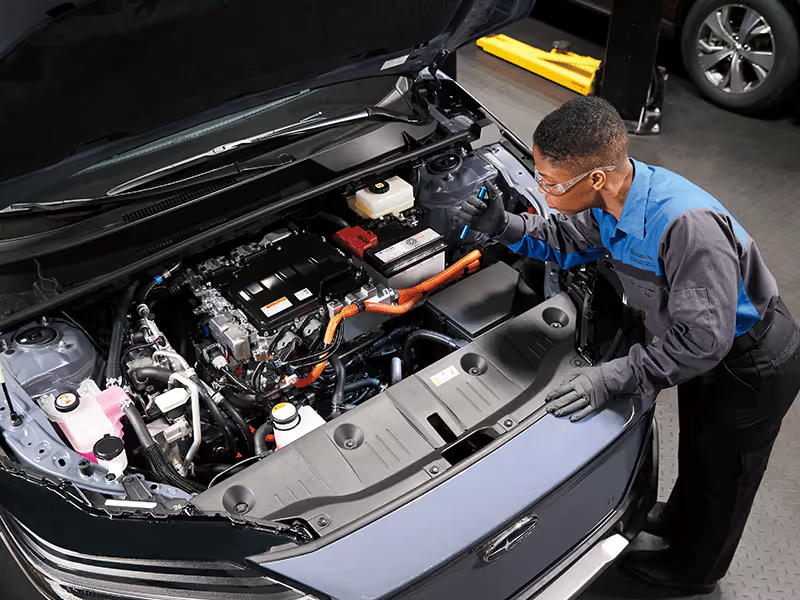

Hybrid and electric vehicles are transforming the automotive landscape. With reduced emissions, advanced technology, and improved efficiency, these vehicles require specialized auto service approaches that differ significantly from traditional gasoline-powered cars. Understanding how hybrid and electric vehicle service works helps owners maintain performance, safety, and long-term reliability.
Hybrid and electric vehicles rely on a combination of electrical, mechanical, and software-driven systems.
Core Components Include:
- High-voltage battery packs
- Electric motors and inverters
- Power electronics and control modules
- Regenerative braking systems
Because these components work together, service procedures must account for both electrical and mechanical integration.
Differences Between Hybrid and Electric Vehicle Service
While hybrids and electric vehicles share similarities, their service needs are not identical.
Hybrid Vehicles Require:
- Maintenance of internal combustion engines
- Battery and electric motor diagnostics
- Monitoring of power-split systems
Electric Vehicles Focus On:
- High-voltage battery health
- Motor and inverter performance
- Charging system functionality
Understanding these differences ensures accurate diagnostics and proper maintenance.
High-Voltage Safety Procedures
One of the most critical aspects of hybrid and electric vehicle service is high-voltage safety. Battery systems operate at voltages far higher than traditional vehicles.
Key safety practices include:
- Proper system shutdown before service
- Use of insulated tools and protective equipment
- Strict adherence to lockout procedures
These measures protect technicians and prevent damage to sensitive components.
Battery Diagnostics and Health Monitoring
The battery is the heart of hybrid and electric vehicles. Auto service centers use advanced diagnostic tools to evaluate battery performance and longevity.
Battery service involves:
- Monitoring charge and discharge cycles
- Checking temperature management systems
- Identifying weak or imbalanced battery cells
Early detection of battery issues helps prevent costly failures.
Regenerative Braking System Service
Hybrid and electric vehicles use regenerative braking to capture energy during deceleration. This system reduces wear on traditional brake components but introduces unique service considerations.
Technicians assess:
- Regenerative braking efficiency
- Brake system integration with electric motors
- Software calibration for smooth operation
Proper service ensures consistent braking performance and energy recovery.
Software and System Updates
Software plays a central role in hybrid and electric vehicle operation. Auto service frequently includes updates and recalibration to maintain system accuracy.
Common software-related services include:
- Battery management system updates
- Motor control recalibration
- Charging optimization improvements
Software updates can improve efficiency, range, and drivability without physical repairs.
Charging System Inspection and Maintenance
Charging systems are essential to electric vehicle reliability. Service inspections focus on both vehicle-side and charging equipment components.
Key inspection points include:
- Charging ports and connectors
- Onboard chargers
- Communication between vehicle and charging stations
Addressing charging issues early prevents inconvenience and potential electrical damage.
Reduced Maintenance, Not Maintenance-Free
Hybrid and electric vehicles generally require less routine maintenance, but they are not maintenance-free.
They still need:
- Coolant service for battery and electronics
- Suspension and tire maintenance
- Cabin air filter replacement
Regular inspections ensure long-term reliability and safety.
The Importance of Specialized Training
Servicing hybrid and electric vehicles requires specialized technician training. Knowledge of high-voltage systems, software diagnostics, and electrical safety is essential.
Well-trained technicians deliver accurate service while protecting vehicle systems and occupants.
FAQs
Do hybrid and electric vehicles need oil changes?
Electric vehicles do not, but hybrids still require oil changes for their internal combustion engines.
How long do hybrid and electric vehicle batteries last?
Most batteries are designed to last many years, with lifespan influenced by usage, climate, and charging habits.
Is servicing electric vehicles more expensive?
Routine maintenance is often less expensive, but specialized repairs can cost more due to advanced components.
Can independent shops service hybrid and electric vehicles?
Yes, provided they have trained technicians and proper high-voltage safety equipment.
How often should battery diagnostics be performed?
Battery health checks are typically recommended during regular service intervals or when performance changes occur.
Do regenerative brakes wear out slower?
Yes, regenerative braking reduces reliance on traditional brakes, extending brake component life.
Are software updates important for electric vehicles?
Yes, updates improve efficiency, system reliability, and sometimes driving range.