
Your vehicle’s braking system is its most critical safety feature. Even minor warning signs can indicate developing problems that may increase stopping distance or lead to sudden brake failure. Recognizing these symptoms early helps prevent costly repairs and protects everyone on the road. 🚗
Understanding what to watch for allows drivers to respond quickly before small issues become serious hazards.
Why Brake Problems Should Always Be Taken Seriously
Brakes operate under constant stress from heat, friction, and pressure. Over time, components wear naturally, but ignoring warning signs can reduce braking effectiveness dramatically.
Prompt brake repair helps:
- Maintain safe stopping distance
- Prevent damage to expensive components
- Improve vehicle control during emergencies
- Protect passengers and other road users
Addressing issues early is always safer and more affordable than delaying repairs.
Squealing or Screeching Sounds While Braking
One of the most common brake warning signs is a high-pitched noise when pressing the brake pedal.
This usually indicates:
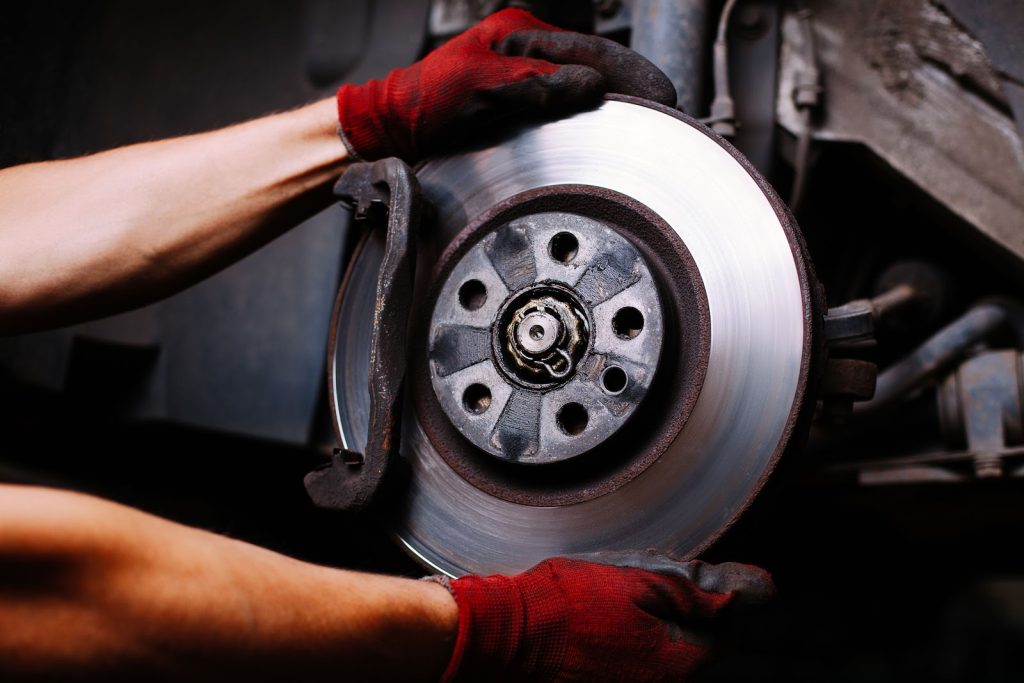
- Worn brake pads
- Dust buildup between components
- Glazed rotor surfaces
Many brake pads include built-in wear indicators designed to produce noise when replacement is needed. Ignoring this sound often leads to rotor damage.
Grinding Noise When Applying Brakes
Grinding sounds typically signal a more serious issue than squealing.
Possible causes include:
- Completely worn brake pads
- Metal-to-metal contact between components
- Damaged brake rotors
Driving with grinding brakes can quickly increase repair costs and reduce braking efficiency.
Immediate inspection is strongly recommended. ⚠️
Brake Pedal Feels Soft or Spongy
A brake pedal that sinks lower than usual or feels soft indicates reduced hydraulic pressure in the braking system.
Common reasons include:
- Air trapped in brake lines
- Brake fluid leaks
- Worn master cylinder components
This symptom directly affects stopping power and should never be ignored.
Steering Wheel Vibrates During Braking
If your steering wheel shakes when braking, uneven rotor surfaces are often responsible.
Other possible causes include:
- Warped brake discs
- Loose suspension components
- Uneven brake pad wear
Vibration usually worsens over time and reduces braking stability at higher speeds.
Vehicle Pulls to One Side While Braking
When a vehicle drifts left or right during braking, it may indicate uneven braking force distribution.
Potential causes include:
- Sticking brake calipers
- Uneven brake pad wear
- Contaminated brake fluid
This condition increases the risk of losing control during sudden stops.
Prompt repair restores balanced braking performance.
Brake Warning Light Appears on the Dashboard
Dashboard warning lights should always be taken seriously, especially those related to braking systems.
Brake warning indicators may signal:
- Low brake fluid levels
- Worn brake pads
- ABS system malfunction
- Hydraulic pressure problems
Ignoring warning lights increases the chance of unexpected braking failure.
Burning Smell After Braking
A sharp burning odor near the wheels may indicate overheated brake components.
This can result from:
- Riding the brakes for extended periods
- Stuck brake calipers
- Excessive friction buildup
Overheating reduces braking efficiency and may damage surrounding components.
Allow the brakes to cool and schedule an inspection if the smell persists.
Increased Stopping Distance
If your vehicle takes longer to stop than usual, the braking system may no longer be operating efficiently.
Possible reasons include:
- Worn brake pads
- Low brake fluid
- Contaminated braking surfaces
- Tire traction issues
Longer stopping distances significantly increase accident risk, especially in emergency situations.
Fluid Leaks Near the Wheels
Brake fluid leaks often appear as clear or slightly yellow liquid near tires or underneath the vehicle.
Brake fluid leaks may result from:
- Damaged brake lines
- Worn seals
- Faulty master cylinder components
Loss of brake fluid directly reduces hydraulic pressure and braking reliability.
This issue requires immediate professional attention. 🔧
How Regular Brake Maintenance Prevents Major Repairs
Routine inspections help detect early wear before serious problems develop.
Preventive maintenance includes:
- Checking brake pad thickness
- Monitoring brake fluid condition
- Inspecting rotors for uneven wear
- Testing pedal responsiveness
Consistent maintenance improves safety and extends the life of braking components.
FAQ: Brake Repair Signs Drivers Often Ask About
1. How often should brake pads typically be replaced?
Brake pads usually last between 30,000 and 70,000 kilometers depending on driving habits and road conditions.
2. Can weather conditions affect braking performance?
Yes, rain, dust, and extreme temperatures can influence braking efficiency and accelerate component wear.
3. Is it safe to drive short distances with noisy brakes?
Even short-distance driving with noisy brakes can worsen damage and should be avoided until inspected.
4. Do brake issues affect fuel efficiency?
Yes, dragging brakes increase resistance and can reduce overall fuel economy.
5. Can worn tires make braking problems worse?
Yes, poor tire traction increases stopping distance and reduces braking effectiveness.
6. Should brake fluid be replaced regularly even without visible problems?
Brake fluid absorbs moisture over time and should be replaced periodically according to manufacturer recommendations.
7. Can brake problems affect vehicle inspection approval?
Yes, faulty braking systems often lead to inspection failure because they directly impact road safety compliance.