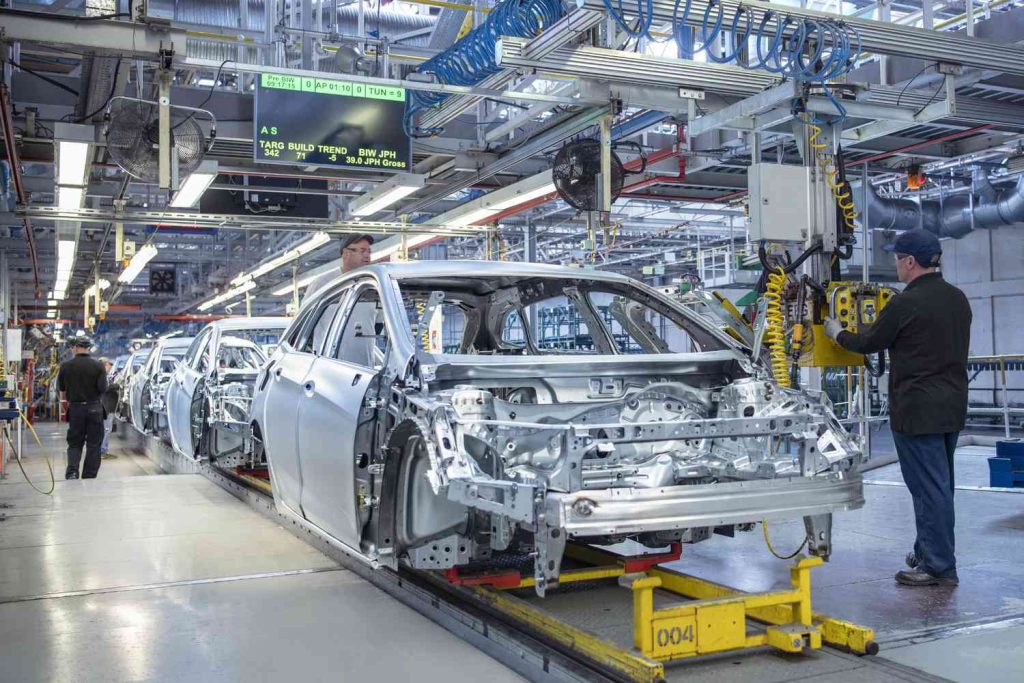

Automotive technology is evolving faster than at any time in the industry’s history. From electrification to intelligent safety systems, today’s vehicles combine software, connectivity, and advanced engineering to deliver smarter and more efficient driving experiences. For enthusiasts, understanding these trends offers insight into where performance, safety, and customization are heading next. 🚗
The Rise of Electric Vehicles (EVs)
Electric vehicles are no longer experimental alternatives—they are becoming mainstream transportation solutions worldwide.
Key advantages driving EV adoption include:
- Lower operating costs compared to traditional fuel vehicles
- Reduced emissions and environmental impact
- Instant torque delivery for quick acceleration
- Fewer moving parts requiring maintenance
Advances in battery range and charging infrastructure continue making EV ownership more practical each year.
Advanced Driver Assistance Systems (ADAS)
Modern vehicles now include intelligent features designed to reduce accidents and improve driver awareness.
Common ADAS technologies include:
- Lane-keeping assistance
- Adaptive cruise control
- Automatic emergency braking
- Blind-spot monitoring
- Traffic sign recognition
These systems act as an extra layer of protection, especially during long-distance or high-speed driving. ⚠️
Connected Cars and Smart Integration
Connectivity has transformed vehicles into mobile digital platforms that communicate with drivers, devices, and infrastructure.
Smart connectivity features often include:
- Smartphone integration with infotainment systems
- Real-time navigation updates
- Remote vehicle monitoring apps
- Over-the-air software updates
These technologies allow vehicles to improve even after purchase through continuous software enhancements.
Artificial Intelligence in Vehicle Performance
Artificial intelligence is shaping how vehicles respond to both drivers and road conditions.
AI supports modern vehicles by enabling:
- Predictive maintenance alerts
- Voice-controlled cockpit functions
- Intelligent route optimization
- Driver behavior analysis for safety improvements
As AI becomes more advanced, vehicles will continue adapting to individual driving styles.
Lightweight Materials for Better Efficiency
Manufacturers increasingly use advanced materials to improve strength without increasing vehicle weight.
Popular lightweight materials include:
- Aluminum alloys
- Carbon fiber composites
- High-strength steel blends
Reducing weight enhances fuel efficiency, acceleration responsiveness, and braking performance simultaneously.
Digital Instrument Clusters and Smart Interiors
Traditional dashboards are rapidly being replaced by customizable digital displays.
Benefits of smart cockpit technology include:
- Personalized driver information layouts
- Enhanced navigation visibility
- Real-time vehicle diagnostics
- Integrated entertainment controls
These systems create a more interactive and intuitive driving environment. 🎯
Vehicle-to-Everything (V2X) Communication
Vehicle-to-Everything communication allows cars to exchange information with surrounding infrastructure and other vehicles.
This technology helps support:
- Collision avoidance warnings
- Traffic signal timing updates
- Road hazard alerts
- Improved traffic flow efficiency
V2X systems represent a major step toward safer and more coordinated transportation networks.
Autonomous Driving Development
Self-driving capability continues progressing through multiple automation levels.
Current advancements focus on:
- Highway driving assistance
- Automated parking systems
- Traffic jam assist features
- Sensor-based environment detection
While full autonomy remains under development, partial automation already improves convenience and safety.
Over-the-Air (OTA) Software Updates
Software updates are no longer limited to smartphones. Vehicles now receive remote upgrades that enhance performance and functionality.
OTA updates can improve:
- Infotainment features
- Battery management systems
- Navigation accuracy
- Safety system calibration
This trend allows vehicles to remain technologically current for longer ownership periods.
Sustainable Manufacturing and Green Mobility
Automotive innovation now includes environmental responsibility alongside performance improvements. 🌱
Manufacturers are investing in:
- Recyclable vehicle components
- Renewable energy-powered factories
- Eco-friendly interior materials
- Reduced production emissions
These efforts support long-term sustainability goals across the transportation sector.
FAQ: Automotive Technology Trends Enthusiasts Often Ask About
1. Are hybrid vehicles still relevant with the growth of fully electric cars?
Yes, hybrid vehicles remain practical for drivers who want improved efficiency without relying entirely on charging infrastructure.
2. Do smart vehicle systems require frequent software maintenance?
Most updates happen automatically through built-in connectivity systems, reducing the need for manual intervention.
3. Can advanced safety technologies reduce insurance costs?
Some insurers offer lower premiums for vehicles equipped with modern safety assistance features.
4. Are digital dashboards more reliable than traditional analog clusters?
Modern digital clusters are designed with redundancy systems and durability standards similar to other vehicle electronics.
5. How do connected vehicles protect driver data privacy?
Manufacturers implement encryption protocols and secure communication channels to safeguard user information.
6. Will future vehicles rely entirely on touchscreen controls?
Manufacturers are balancing touchscreen interfaces with physical controls to maintain usability and safety.
7. Is autonomous driving expected to replace manual driving completely?
Manual driving is likely to remain available for enthusiasts, even as automation becomes more common in everyday transportation.