
Car dealerships have undergone a major transformation in the digital era. What was once a purely showroom-driven experience now blends online research, virtual interaction, and data-powered decision-making. Today’s buyers expect speed, transparency, and flexibility—and dealerships are adapting quickly to meet those expectations.
Understanding how dealerships have evolved helps drivers navigate modern purchasing options more confidently while recognizing the benefits of digital-first automotive retail. 🚗
How Traditional Car Dealerships Operated Before Digital Transformation
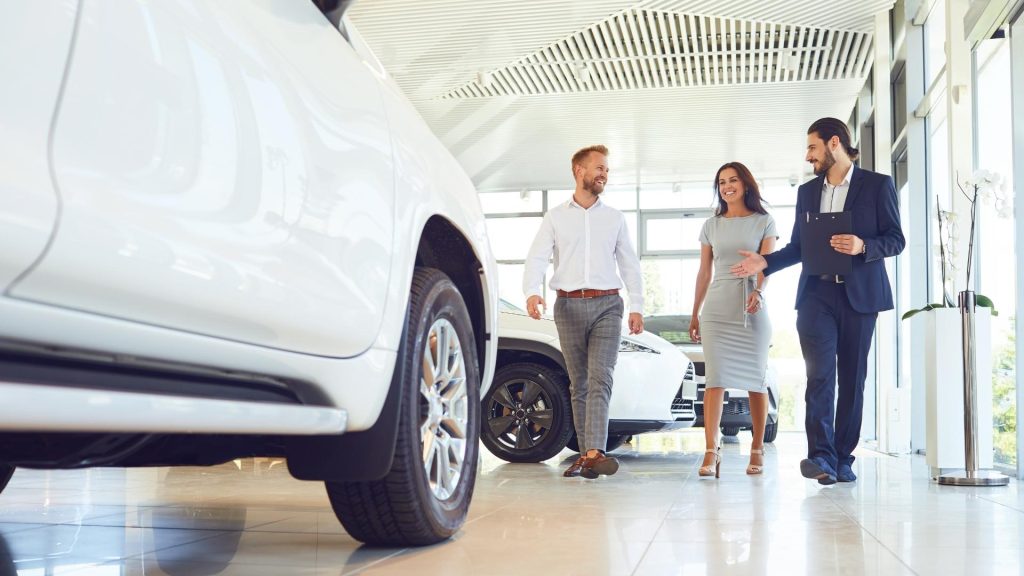
Historically, dealerships served as the primary point of contact between manufacturers and customers. Most buyers depended heavily on in-person visits to explore vehicle options.
Typical dealership functions included:
- Displaying available inventory on-site
- Managing pricing discussions face-to-face
- Offering financing through in-house teams
- Coordinating service appointments manually
While effective for decades, this approach limited access to information and slowed purchasing decisions.
The Rise of Online Vehicle Research
Today’s buyers often begin their vehicle search online long before stepping into a showroom.
Digital research tools now allow customers to:
- Compare vehicle specifications instantly
- Review safety ratings and performance data
- Explore ownership costs
- Read verified customer feedback
As a result, dealerships now interact with more informed buyers than ever before.
Virtual Showrooms Are Changing the Buying Experience
Modern dealerships increasingly offer immersive digital platforms that replicate the in-store experience.
Virtual showroom features commonly include:
- 360-degree vehicle views
- Interactive configuration tools
- Real-time inventory updates
- Remote consultation scheduling
These tools help customers narrow choices before visiting a physical location.
Transparent Pricing Is Becoming the Industry Standard
One of the most noticeable shifts in dealership operations involves pricing clarity.
Digital pricing platforms provide:
- Upfront cost breakdowns
- Trade-in estimate tools
- Financing calculators
- Comparison-based recommendations
Greater transparency improves trust and shortens negotiation timelines.
Online Financing and Digital Documentation
Financing used to require multiple in-person meetings. Today, much of the process happens online.
Modern digital financing systems support:
- Credit pre-approval applications
- Loan comparison tools
- Secure document uploads
- Electronic contract signing
These features reduce paperwork delays and simplify the buying journey. 📄
Home Delivery and Remote Purchasing Options
Dealerships now offer remote purchasing solutions that bring vehicles directly to customers.
Popular remote services include:
- Home test-drive scheduling
- Contactless vehicle delivery
- Online reservation deposits
- Remote trade-in evaluations
This flexibility allows customers to complete most of the transaction without visiting the dealership.
The Role of Data in Personalizing Customer Experience
Digital tools allow dealerships to better understand customer preferences and purchasing behavior.
Data-driven personalization helps dealerships:
- Recommend relevant vehicle models
- Provide maintenance reminders
- Offer targeted promotions
- Improve service scheduling efficiency
These insights create more convenient and tailored ownership experiences.
Social Media and Digital Communication Channels
Dealership communication has expanded far beyond phone calls and showroom visits.
Modern dealerships connect with customers through:
- Messaging platforms
- Social media updates
- Email campaigns
- Live chat support
These channels allow faster responses and improved customer engagement.
Service Departments Are Becoming More Technology-Driven
Digital transformation extends beyond vehicle sales into maintenance services as well. 🔧
Technology-enhanced service departments now offer:
- Online appointment scheduling
- Real-time repair status tracking
- Digital inspection reports
- Automated service reminders
These improvements increase transparency and reduce waiting time uncertainty.
Challenges Dealerships Face in the Digital Transition
While digital tools bring major advantages, dealerships must adapt carefully to maintain service quality.
Common challenges include:
- Integrating legacy systems with new platforms
- Training staff on digital workflows
- Protecting customer data privacy
- Managing online inventory accuracy
Balancing technology with personalized customer support remains essential.
The Future of Car Dealerships in a Connected Automotive Ecosystem
Car dealerships are evolving into hybrid service centers that combine physical interaction with digital convenience.
Emerging trends shaping dealership operations include:
- Subscription-based vehicle access models
- AI-powered customer assistance tools
- Fully digital purchasing pipelines
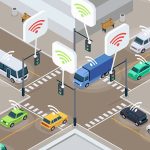
- Integration with connected vehicle platforms
These developments will continue redefining how drivers discover, purchase, and maintain vehicles.
FAQ: Car Dealerships in the Digital Age
1. Can customers complete an entire vehicle purchase online today?
Yes, many dealerships now support fully digital purchasing processes, including financing approval and contract signing.
2. Are virtual showroom tools accurate representations of real vehicles?
Most platforms use manufacturer-approved visual data to ensure accurate model representation.
3. How secure are online vehicle financing applications?
Dealership platforms typically use encrypted systems designed to protect sensitive financial information.
4. Do digital dealership platforms support trade-in evaluations remotely?
Yes, many systems allow customers to submit vehicle details and receive preliminary trade-in estimates online.
5. Is visiting a dealership still necessary before buying a vehicle?
Not always. Some buyers complete the entire process remotely depending on dealership capabilities.
6. How do dealerships maintain customer relationships after online purchases?
They use service reminders, software updates, and communication platforms to stay connected with customers.
7. Will digital platforms replace physical dealerships completely?
Physical dealerships are expected to remain important, especially for test drives, service support, and customer assistance.