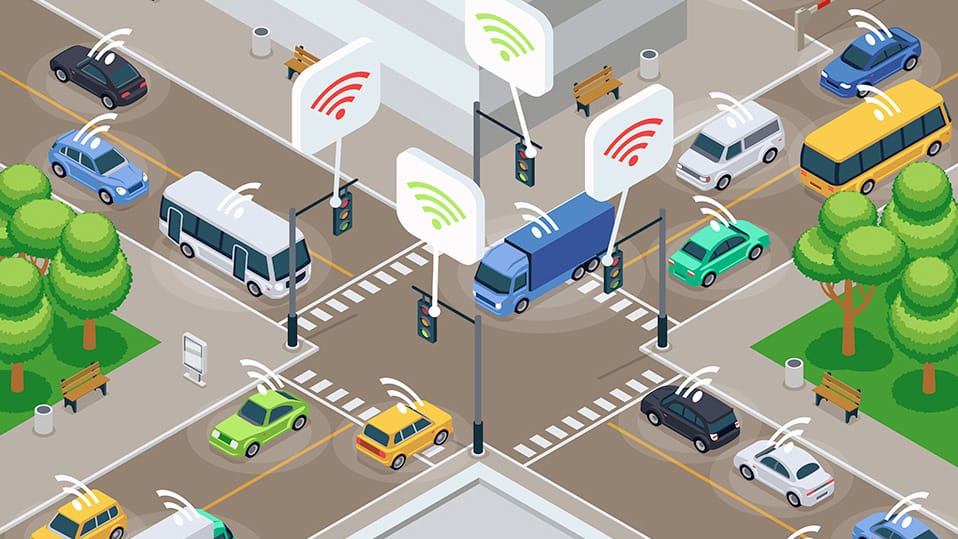

Transportation systems are entering a new era shaped by connectivity, automation, electrification, and intelligent infrastructure. Smart transportation is transforming how people move through cities, manage travel time, and interact with vehicles. Instead of isolated machines, vehicles are becoming part of an integrated digital mobility ecosystem designed to improve safety, efficiency, and sustainability. 🚗
Understanding these developments helps drivers, commuters, and planners prepare for a future where transportation responds dynamically to real-world conditions.
What Smart Transportation Really Means
Smart transportation refers to the integration of digital technologies with vehicles, infrastructure, and traffic management systems to create safer and more efficient mobility networks.
Core elements include:
- Connected vehicles communicating with infrastructure
- Real-time traffic monitoring systems
- Autonomous driving technologies
- Electrified transportation platforms
- Data-driven mobility planning tools
Together, these components help cities reduce congestion and improve travel reliability.
Connected Vehicles and Real-Time Communication
Modern vehicles increasingly exchange information with surrounding systems to improve awareness and coordination.
Connected vehicle capabilities include:
- Receiving live traffic updates
- Sharing road condition alerts
- Communicating with nearby vehicles
- Supporting predictive navigation routes
These systems help drivers make faster and safer decisions during daily travel.
Autonomous Driving and Intelligent Mobility
Automation is one of the most influential developments shaping transportation’s future.
Autonomous mobility technologies support:
- Highway driving assistance
- Automated parking systems
- Traffic congestion management
- Collision avoidance responses
As sensor accuracy improves, autonomous systems will continue enhancing both safety and convenience.
Electric Transportation and Sustainable Mobility
Electric vehicles play a central role in the transition toward smarter transportation networks.
Benefits of electrified mobility include:
- Reduced greenhouse gas emissions
- Lower operating costs for drivers
- Quieter urban environments
- Improved energy efficiency
Expanded charging infrastructure will make electric travel more practical across urban and rural regions.
Smart Traffic Management Systems
Cities are adopting intelligent traffic control systems that respond dynamically to congestion patterns.
Examples of smart traffic solutions include:
- Adaptive traffic signal timing
- Real-time congestion monitoring
- Emergency vehicle priority routing
- Integrated public transport coordination
These technologies improve travel flow and reduce delays across busy transportation corridors.
Mobility-as-a-Service (MaaS) Platforms
Smart transportation also changes how people access vehicles rather than how they own them.
MaaS platforms combine:
- Ride-sharing services
- Public transit integration
- Bicycle and micro-mobility access
- Digital ticketing systems
This approach allows commuters to plan multi-mode journeys through a single application.
Vehicle-to-Everything (V2X) Communication Networks
Vehicle-to-Everything communication enables interaction between vehicles, pedestrians, infrastructure, and networks.
V2X systems help support:
- Collision warnings at intersections
- Hazard alerts during poor visibility
- Traffic signal coordination
- Pedestrian safety notifications
These features significantly reduce accident risk in complex traffic environments.
Artificial Intelligence in Transportation Planning
Artificial intelligence helps cities analyze traffic patterns and optimize infrastructure use.
AI improves transportation systems by enabling:
- Predictive congestion management
- Route optimization for logistics fleets
- Smarter emergency response routing
- Infrastructure maintenance forecasting
These capabilities increase efficiency across entire transportation networks.
Smart Public Transportation Systems
Public transit systems are becoming more responsive through digital monitoring and automation. 🚍
Smart transit improvements include:
- Real-time vehicle tracking
- Contactless fare payment systems
- Predictive arrival notifications
- Demand-responsive routing services
These upgrades make public transportation more reliable and user-friendly.
Challenges Facing Smart Transportation Development
Despite its benefits, smart transportation requires careful planning and investment.
Common challenges include:
- Data privacy protection requirements
- Infrastructure modernization costs
- Technology standardization across regions
- Cybersecurity concerns in connected systems
Addressing these issues ensures safe and reliable deployment of smart mobility technologies.
The Role of Smart Cities in Transportation Innovation
Smart transportation works best when integrated with broader urban planning strategies.
Smart cities support transportation innovation through:
- Connected infrastructure networks
- Renewable energy integration
- Digital communication platforms
- Efficient land-use planning
These coordinated systems help create safer and more sustainable mobility environments.
FAQ: The Future of Smart Transportation
1. How soon will fully autonomous transportation become widely available?
Partial automation is already common, but widespread full autonomy will depend on regulatory approval, infrastructure readiness, and technology reliability improvements.
2. Can smart transportation reduce daily commute times significantly?
Yes, intelligent traffic systems and predictive routing technologies can reduce congestion and improve travel efficiency.
3. Are smart transportation systems only designed for large cities?
No, smaller cities and developing regions are also adopting smart mobility solutions suited to their infrastructure needs.
4. Will smart transportation replace traditional driving completely?
Traditional driving is expected to continue alongside automated systems for the foreseeable future.
5. How does smart transportation improve emergency response efficiency?
Connected traffic signals and predictive routing allow emergency vehicles to reach destinations faster and more safely.
6. Is smart transportation dependent on high-speed internet connectivity?
Reliable communication networks play a major role in supporting real-time vehicle-to-infrastructure interactions.
7. Can smart transportation systems help reduce fuel consumption?
Yes, optimized routing, reduced congestion, and electrification contribute to lower overall energy use in transportation networks.