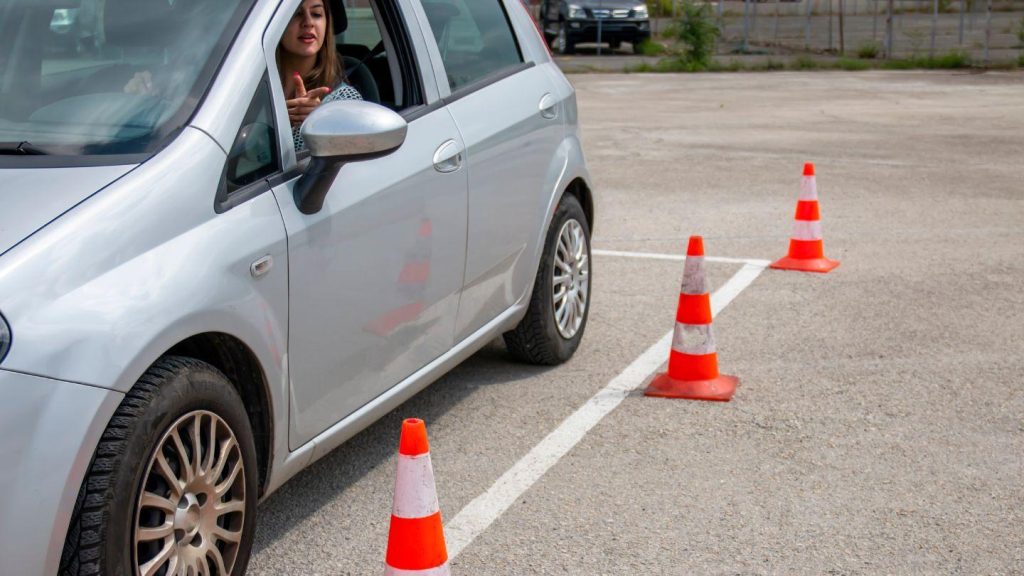

Learning how to park confidently is one of the most important skills for new drivers. While steering control and traffic awareness develop with practice, parking requires precision, patience, and spatial judgment. Mastering a few simple techniques can make daily driving safer and far less stressful. 🚗
With the right approach and consistent practice, even difficult parking situations become manageable.
Why Parking Skills Matter More Than You Think
Parking is not just about convenience—it directly affects safety and vehicle condition. Poor parking habits can lead to minor collisions, scratches, or blocked traffic flow.
Strong parking skills help drivers:
- Avoid damage to nearby vehicles
- Protect their own car from curb impact
- Improve confidence in tight spaces
- Reduce stress in busy parking areas
- Maintain better awareness of surroundings
These benefits become especially valuable in crowded urban environments.
Start With Proper Mirror Adjustment
Before attempting any parking maneuver, mirror positioning plays a critical role in visibility.
Make sure to adjust:
- Side mirrors to reduce blind spots
- Rearview mirror for a clear center view
- Seating position for full pedal control
Correct mirror alignment improves accuracy and reduces guesswork during parking.
Use Slow and Controlled Movements
Parking should always be performed at low speed. Quick steering inputs often lead to positioning errors.
Best practices include:
- Move slowly while turning the steering wheel
- Pause when unsure about spacing
- Recheck surroundings frequently
- Avoid sudden acceleration
Controlled movement allows more time to react and correct mistakes.
Learn the Basics of Parallel Parking
Parallel parking is one of the most challenging skills for beginners but becomes easier with repetition.
A simple approach includes:
- Align your vehicle beside the car ahead of the space
- Reverse slowly while turning toward the curb
- Straighten wheels once the rear enters the space
- Adjust forward or backward as needed
Practicing this method regularly builds muscle memory and confidence.
Keep a Safe Distance From the Curb
Parking too close or too far from the curb can create problems.
Aim to:
- Stay close enough to avoid blocking traffic
- Avoid touching the curb with tires
- Leave room for safe door opening
Balanced positioning ensures both safety and accessibility.
Use Reference Points Inside the Vehicle
Experienced drivers rely on visual reference points to judge spacing accurately.
Helpful references include:
- Door handles aligned with lane markings
- Side mirrors aligned with nearby vehicles
- Dashboard edges matching curb distance
These visual cues improve consistency during parking maneuvers.
Reverse Parking Improves Control
Many new drivers prefer forward parking, but reversing into a space often provides better exit visibility later.
Advantages of reverse parking include:
- Easier departure from tight spaces
- Better awareness of approaching vehicles
- Improved alignment within parking lines
Practicing reverse parking early builds long-term driving confidence. 🔄
Take Advantage of Parking Assist Features
Modern vehicles include helpful technologies designed to simplify parking.
Common assist features include:
- Rear-view cameras
- Parking sensors
- 360-degree surround-view displays
- Steering assistance systems
Using these tools correctly improves accuracy but should never replace driver awareness.
Stay Calm in Busy Parking Areas
Crowded parking lots can feel overwhelming for beginners. Staying calm improves decision-making.
Helpful habits include:
- Waiting patiently for a suitable space
- Ignoring pressure from impatient drivers
- Repositioning when necessary
- Choosing wider spaces when available
Confidence develops naturally with practice over time.
Practice in Low-Traffic Locations First
Skill improves fastest when beginners practice without distractions.
Good practice environments include:
- Empty parking lots
- Quiet residential streets
- Marked training areas
Repeated practice in these locations strengthens steering control and distance judgment.
Avoid Common Beginner Parking Mistakes
New drivers often repeat similar errors while learning to park.
Common mistakes include:
- Turning the wheel too early
- Misjudging vehicle length
- Ignoring mirror checks
- Parking too quickly
Recognizing these habits early helps drivers correct them faster.
FAQ: Parking Tips for New Drivers
1. How long does it usually take to become confident at parking?
Most drivers become comfortable after several weeks of regular practice in different parking environments.
2. Is it better to park near entrances or farther away?
Parking slightly farther away often provides more space and reduces the risk of minor vehicle damage.
3. Should beginners avoid tight parking spaces completely?
It’s helpful to start with wider spaces and gradually progress to tighter areas as confidence improves.
4. Can steering wheel position affect parking accuracy?
Yes, keeping both hands properly positioned improves control during slow turning maneuvers.
5. Are parking sensors reliable in all conditions?
Sensors are helpful but may be less effective in heavy rain, dust, or when detecting very low obstacles.
6. Does vehicle size affect parking difficulty for beginners?
Larger vehicles typically require more awareness of turning radius and spacing compared to smaller cars.
7. Is practicing parking at night helpful for new drivers?
Yes, practicing at night improves familiarity with reduced visibility conditions and strengthens overall confidence.