
The automotive industry is no longer shaped only by long-established manufacturers. A new generation of startups is redefining how vehicles are designed, powered, sold, and connected. By focusing on software-driven innovation, electrification, and mobility services, these companies are accelerating change across the entire transportation ecosystem.
For enthusiasts and industry observers alike, understanding this shift reveals where the future of mobility is heading. 🚗
Why Startups Are Entering the Automotive Sector Rapidly
Historically, vehicle production required massive infrastructure and capital investment. Today, modular platforms, digital engineering tools, and global supply networks have lowered entry barriers.
Startups are entering the industry because they can:
- Develop software-first vehicle architectures
- Focus on niche market segments quickly
- Use contract manufacturing partnerships
- Innovate faster than legacy production cycles allow
This agility helps them introduce new ideas without decades-old operational constraints.
Electric Vehicles as the Primary Disruption Channel
Electrification has opened the door for startups to compete directly with traditional manufacturers.
Startups are advancing EV adoption through:
- Compact urban mobility vehicles
- High-performance electric platforms
- Battery innovation and management systems
- Subscription-based ownership models
Because electric drivetrains are mechanically simpler than internal combustion systems, startups can innovate faster with fewer legacy limitations.
Software-Defined Vehicles Are Changing the Industry Model
Modern vehicles increasingly function as digital platforms rather than purely mechanical machines.
Startups are leading progress in:
- Over-the-air feature upgrades
- App-based vehicle controls
- Cloud-connected diagnostics
- Subscription-enabled vehicle features
This shift transforms vehicles into continuously evolving products rather than fixed hardware purchases. 📡
Autonomous Driving Innovation From Emerging Companies
While large manufacturers invest heavily in automation, startups are often more experimental and flexible in this space.
Key areas of startup innovation include:
- Sensor fusion technology
- AI-based decision systems
- Real-time mapping platforms
- Autonomous fleet testing solutions
These advancements are helping accelerate safe driver-assistance and autonomous mobility development.
Mobility-as-a-Service Is Redefining Vehicle Ownership
Startups are also reshaping how people access transportation rather than just how vehicles are built.
Popular mobility startup approaches include:
- Vehicle subscription services
- Ride-sharing platforms
- Fleet electrification services
- Last-mile urban transport solutions
These models reduce reliance on traditional vehicle ownership while improving accessibility in dense cities.
Direct-to-Consumer Sales Models Are Challenging Dealership Systems
Traditional vehicle sales depend heavily on dealership networks. Startups are introducing streamlined digital alternatives.
Modern sales innovations include:
- Online vehicle configuration tools
- Transparent pricing systems
- Home delivery purchasing experiences
- App-based service scheduling
This approach simplifies the buying journey and improves customer control over purchasing decisions.
Battery Technology Startups Are Transforming Performance Expectations
Energy storage remains the most critical factor influencing electric vehicle adoption.
Battery-focused startups are working on:
- Faster charging solutions
- Longer driving range improvements
- Safer thermal management systems
- Lower-cost battery materials
These breakthroughs directly impact affordability and usability for future EV owners. 🔋
Manufacturing Innovation Without Traditional Factories
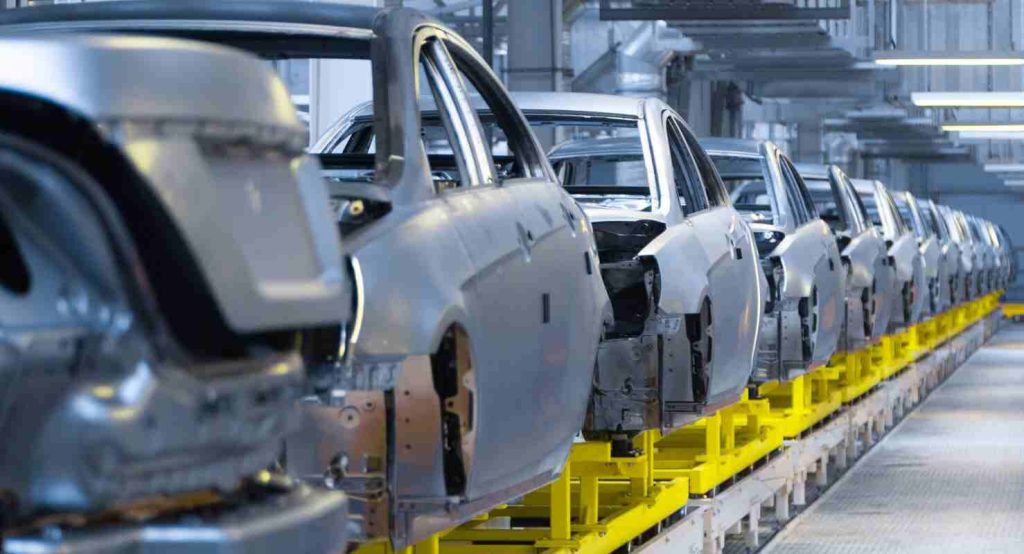
Unlike legacy automakers, many startups rely on flexible production partnerships instead of building full-scale factories immediately.
This strategy allows them to:
- Reduce capital investment risk
- Scale production gradually
- Test market response quickly
- Adapt vehicle designs faster
Such flexibility supports faster innovation cycles compared to traditional manufacturing timelines.
Sustainability-Focused Design Is Becoming a Startup Advantage
Environmental responsibility is central to many startup business strategies.
Common sustainability initiatives include:
- Recyclable interior materials
- Low-emission supply chains
- Lightweight vehicle structures
- Energy-efficient production processes
These priorities appeal strongly to environmentally conscious drivers and investors alike. 🌱
Collaboration With Technology Companies Is Accelerating Innovation
Automotive startups frequently partner with software developers, battery researchers, and mobility platforms.
These collaborations help deliver:
- Advanced connectivity ecosystems
- AI-powered vehicle intelligence
- Improved navigation accuracy
- Integrated smart-city compatibility
Cross-industry cooperation is helping reshape transportation faster than traditional models allowed.
FAQ: How Startups Are Reshaping the Automotive Industry
1. Why are investors strongly supporting automotive startups today?
Investors see major growth potential in electrification, automation, and connected mobility services transforming global transportation.
2. Do startups manufacture complete vehicles or only technologies?
Some startups build full vehicles, while others specialize in software platforms, battery systems, or autonomous-driving technologies.
3. Are startup-built vehicles reliable compared to traditional brands?
Many startups follow global safety and testing standards, though reliability often improves further as production scales.
4. How do automotive startups compete without large manufacturing facilities?
They often partner with contract manufacturers or use modular production strategies to reduce infrastructure costs.
5. Are mobility startups affecting public transportation systems?
Yes, shared mobility platforms and micro-mobility solutions are complementing existing public transport networks in many cities.
6. Can startups influence future vehicle pricing trends?
Innovations in battery design and digital sales platforms may help reduce ownership costs over time.
7. Will traditional automakers lose relevance because of startups?
Legacy manufacturers remain highly influential, but many are adapting quickly by adopting startup-style innovation strategies.