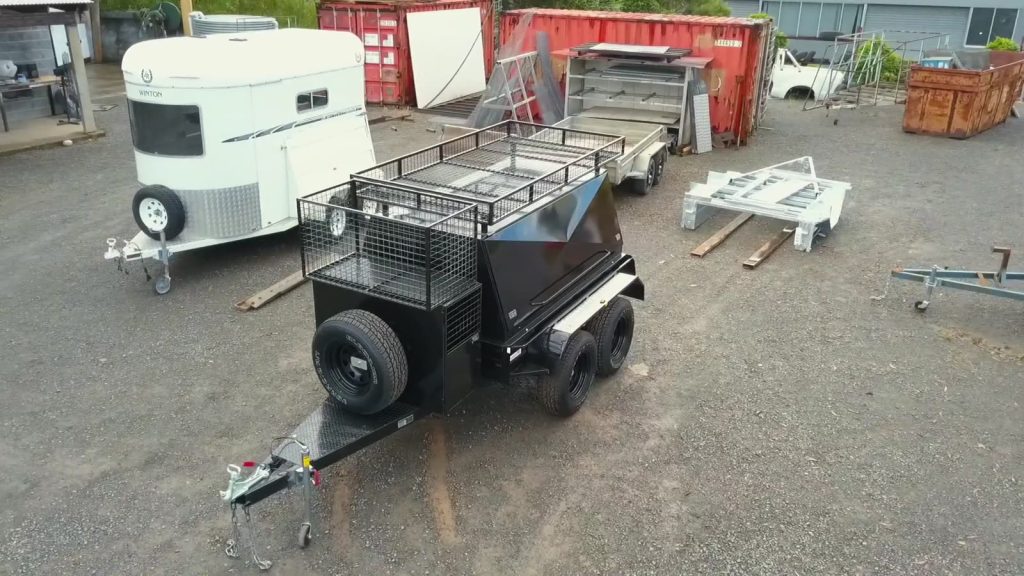

A race trailer parked in the pits with a stripped hub is usually a freight problem. The part exists and the fix is simple; what failed was the ordering. A few questions before payment can keep a weekend from going the same way.
Is the part actually on the shelf?
An in-stock label on a parts website doesn’t guarantee a part on a shelf. On some listings it means the item is sitting in the seller’s warehouse; on others it means a wholesaler has one, or the factory has a production date. The label looks identical in every case.
Before paying, ask by phone or email: is this exact line physically in your building, and can it leave today? A seller holding real stock answers in one sentence. A seller relaying a backorder tends to answer with a date range, and that range belongs to their supplier’s schedule, not to theirs.
Backorders deserve a second question: what happens if the supplier’s date moves? Open-ended backorders are a direct threat to race deadlines, because the listing stays live while the estimate slides a week at a time. Any seller working from a real shelf can give a firm dispatch day, so get that day in writing on the order confirmation.
Timing matters as much as stock levels. Order volumes climb in the weeks before major meetings and the start of the season, and shelf stock of common running gear thins out fast. An order placed a month early is a routine purchase; the same order placed ten days out is a logistics exercise with no margin for a backorder.
If the choice is between a confirmed shelf item at a slightly higher price and a cheap backorder with a moving date, take the shelf item.
Have the part details been confirmed before the quote?
Heavy running gear is the most expensive category in the catalog to get wrong, because return freight on an axle or a spring pack can exceed whatever was saved by shopping around. Confirm the part details before anyone asks for a price. Guessing at this stage tends to surface later as a freight bill.
For axles, the figures a seller needs are the hub-face-to-hub-face length and the spring-center spacing, along with the details on the trailer’s identification plate. For hubs, the stud pattern (PCD) and the numbers stamped on the old bearings and seals settle most mismatches before they happen. A trailer repairer, or the seller’s own technical line, can confirm these figures, and that confirmation is worth paying for.
Send the confirmed details to the seller in writing, ask them to quote against those figures, and then ask one more question: does the quoted part match every item on this list? A quote built on confirmed details is one the seller has to stand behind. A quote built on “it should fit” becomes the buyer’s problem at the delivery dock.
Keep the confirmed figures on file once they are verified. Reordering a hub or a brake assembly mid-season becomes a five-minute job when the part details are already written down, and every future quote starts from fact instead of memory.
What exactly is included in the price?
Two listings at the same price can deliver very different boxes. An axle might ship as a bare beam, or it might arrive with hubs, bearings, seals, and wheel nuts already fitted. A brake assembly might include magnets and hardware, or it might be the backing plate on its own.
Ask for an itemized list of what ships before comparing prices, because the cheaper listing often becomes the expensive one once the missing pieces are added. U-bolts, spring seats, nuts, and washers cost little money but can trigger a second order that adds several days. That second order also carries a second freight charge.
Pre-assembled options are worth a direct question. A hub kit that arrives pre-greased and ready to fit saves workshop hours in the week before an event, and a seller who supplies them will say so. The same question covers brake magnets, wheel studs, and other wear items; adding them to the main consignment costs little and clears the spares list in one shipment.
Can the whole order ship as one consignment?
A season’s worth of wear items makes a poor series of separate orders. Spare hub kits, U-bolts, brake magnets, and wheel studs bought one at a time each attract their own freight fee and their own chance of going missing. Bought together, they can travel on one consignment note, but only if the supplier confirms before payment that the whole order will ship at once.
Build the spares list before the season starts, while nothing is urgent. Send the full list to the seller and ask two things: can every line ship together, and what is the single freight price for the lot? If one line is on backorder, ask whether the order waits or splits. A split consignment means two deliveries to chase and, sometimes, a second freight charge nobody quoted.
One consignment also simplifies the receiving end: one delivery window to plan around and one docket to sign. If something goes wrong, there is one consignment note to claim against.
How is the freight price actually calculated?
Freight is where online parts orders most often overrun their budget, and the reason is classification. Beam axles and full-length leaf spring packs are treated by many carriers as non-conveyable: too long or too heavy for the standard sorting belts, so they move by hand through the network. Manual handling attracts surcharges that a website’s automatic freight calculator won’t always show.
Weight itself is billed two ways. Deadweight is what the item weighs on a scale; volumetric weight is a figure based on the space the item occupies. Carriers charge on whichever figure is greater, which is why a long axle can bill like a much heavier item.
Ask for the freight quote itemized before paying, and ask what changes if every item travels together. Heavy parts sent as separate consignments each carry their own base fee and handling surcharge; the same parts strapped to one skid or pallet usually attract a single set of charges. Sellers who move this gear every week handle consolidated quotes routinely.
Where should the order be delivered?
A residential address is the most expensive place to receive a pallet. Tailgate trucks and lift fees add cost, and a missed delivery can add days. A commercial address with someone present through business hours avoids most of it.
Distance from the capital-city manufacturing belts adds transit days to every consignment, and regional competitors feel it most. The standard fix is depot collection: the carrier holds the pallet at its nearest regional freight depot, and the buyer collects it with a pickup or a box trailer at a workable hour. Competitors coordinating logistics for trailer parts sunshine coast deliveries often bypass retail auto shops in favor of specialist suppliers who ship heavy running gear through factory-direct freight networks.
Ask the seller which carrier and depot the order moves through, and whether depot collection drops the quoted price. It usually does, and it puts collection time in the buyer’s hands when the tow vehicle leaves for the circuit on Thursday night.
Before accepting any freight quote, ask what it assumes about the delivery point. Some quotes include a tailgate truck; others assume a forklift and a loading dock, and the difference shows up as an extra fee on the invoice. Checking the quote against the actual address takes two minutes and prevents a common surprise.
What is the dispatch date, and what is the delivery date?
“Ships within 24 hours” describes when a parcel leaves the building. Arrival is a separate date, and on a regional run the two can sit days apart. Only the arrival date matters to a racer. Ask for both, in writing, before the order is paid.
Tracking closes the gap between those dates. Get the carrier’s name and the consignment number at dispatch, then watch the scan history instead of the calendar. A consignment that stops scanning for two days needs a phone call that same day, not on the morning the trailer was due to be loaded.
Event deadlines need slack built in. A part landing the day before departure leaves no room for a mis-pick or a damaged box, so the workable deadline sits several days ahead of the real one. Ask what the seller does if a consignment misses the cutoff: whether they will split the shipment or upgrade the service, and who wears the cost.
What happens if the order arrives short or damaged?
The delivery docket is the buyer’s first protection in a freight claim. Inspect the consignment before signing and note any damage or shortage on the docket itself. Photograph the packaging before anything is opened, because carriers set short windows for claims and prompt reporting helps preserve a clear record of arrival condition.
Order records do the rest of the work. Keep the invoice, the itemized quote, the confirmed part details, and every email in one place, because a claim moves faster when the paper trail is complete. Ask two questions before ordering: what is the claims process for freight damage, and who pays return freight on a mis-picked heavy item? With an established supplier the answers are rarely a problem, but the time to hear them is before the money moves.
Shortages found after opening need the same discipline. Check the contents against the itemized list the day the order lands, not the day the part is needed, and report gaps within the seller’s stated window. A missing set of wheel studs reported in week one is a reshipment; reported in week four, it becomes a debate.
None of these questions take long, and most sellers answer the full set in a single email. Write the parts list now, while nothing is broken, and send it to the supplier as one quoted consignment. A trailer that spends the weekend on the track is usually the product of paperwork done weeks earlier.